1. The Balneological Tradition & Mineral Chemistry
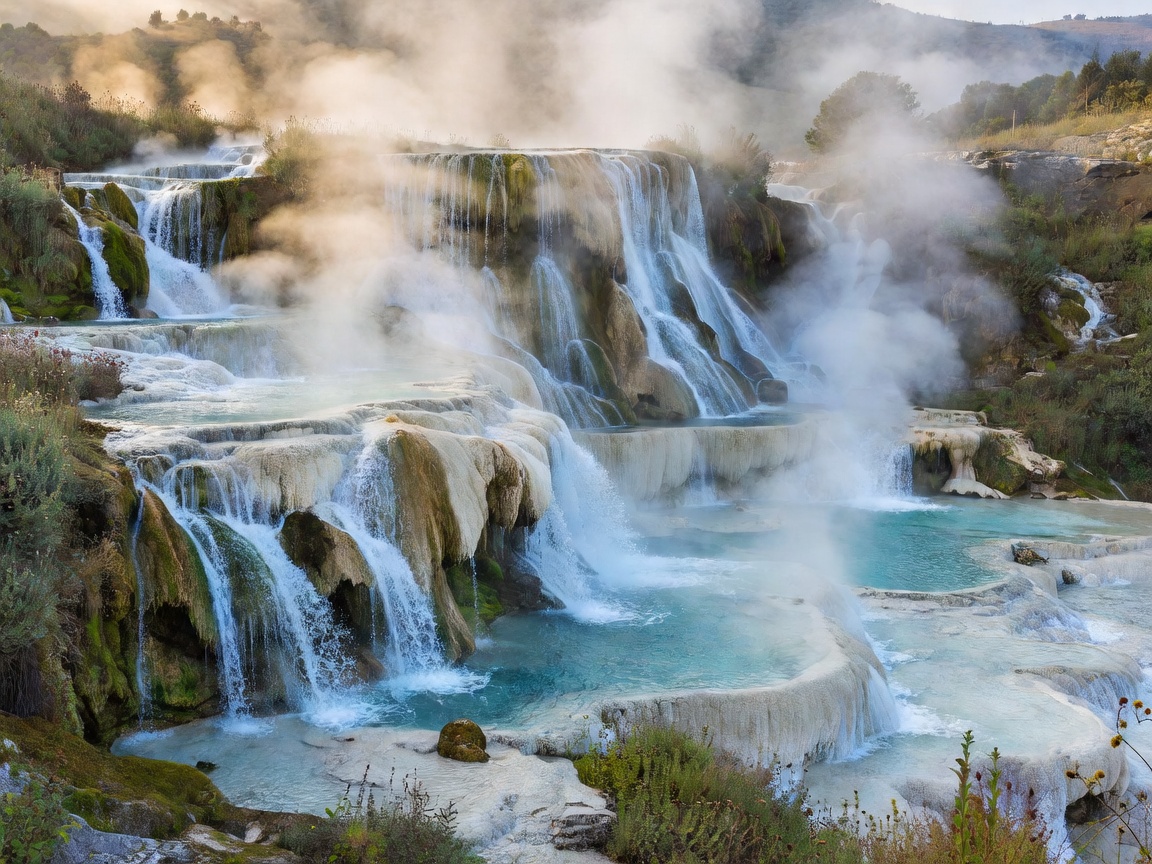
Before the emergence of modern pharmacology, human civilizations gathered at geothermal fissures not merely for leisure, but for biological restoration. Balneotherapy represents the formal discipline of mineral immersion. True thermal water is classified not simply by warmth, but by the geochemical dissolution of elements absorbed during decades or millennia of subterranean transit.
Different geological formations yield drastically different water personalities:
- Silica & Silicic Acid: Predominant in youthful volcanic landscapes like Iceland’s Reykjanes peninsula, creating an iconic opaque milky hue that leaves an organic protective barrier on skin.
- Sulfur Springs: Ubiquitous in active volcanic arc regions such as Japan and Bali. Distinctive in scent and historically prized for communal skin and circulatory bath therapies.
- Calcium-Magnesium Bicarbonate: Typical of deep Alpine and Tuscan subterranean beds, providing soothing buoyancy and thermal heat retention.
“Immersion into earth-warmed water is not an act of escape from the world, but a slow returning to its geological pulse.”
2. Cultural Customs Across Continents
Understanding local etiquette allows visitors to enter sacred or historic thermal spaces with poise and reverence. Each region treats the bath with distinct communal protocols.
| Tradition | Typical Setting | Dress Protocol | Core Philosophy |
|---|---|---|---|
| Japanese Onsen | Forested rotenburo, cedar ryokan tubs | Fully unclothed; rinse before entering | Purification, silence, harmony with seasons |
| Nordic Sauna (Löyly) | Timber smoke huts, shoreline sea plunges | Unclothed or towel-wrapped | Thermal contrast, mental fortitude, fellowship |
| Hungarian Thermal Baths | Neo-Baroque palaces, Ottoman domes | Modest swimwear standard in communal pools | Social gathering, chess, grand urban ritual |
| Alpine Balneotherapy | Minimalist stone quartzite sanctuaries | Quiet contemplative swim zones | Acoustic isolation, architectural rest |
3. The Mindful Art of Thermal Contrast
Whether alternating between an 85°C Finnish smoke sauna and the ice-carved surface of a frozen Baltic inlet, or transitioning from a 42°C Japanese sulfur pool into cool mountain river showers, contrast bathing has formed the backbone of restorative traditions for centuries.
We advise travelers to practice slow pacing: listen to vascular cues, hydrate constantly with pure spring water or botanical infusions, and avoid exceeding twenty consecutive minutes in high-temperature waters without resting at ambient room temperature.
Informational Health Disclaimer
Educational Notice: The details presented on this platform are for cultural, architectural, and comparative informational discovery. Tallyguidesocilsspry does not provide clinical diagnostic medical advice or endorse thermal waters as direct cures for medical conditions. Individuals with cardiovascular conditions, low blood pressure, or who are pregnant should consult a certified physician before prolonged hot spring immersion.